


The Ultimate Guide to Currency Trading in Forex Markets
Currency trading, commonly known as Forex trading, is one of the most dynamic and exciting financial activities available today. With the advent of technology, millions of traders are entering the Forex market every day. If you’re considering becoming part of this world, it’s crucial to equip yourself with the right knowledge and strategies. For those in Kuwait, finding reliable currency trading forex Forex Brokers in Kuwait can also be an essential first step.
What is Forex Trading?
Forex trading involves the buying and selling of currency pairs in the foreign exchange market. The primary goal is to profit from fluctuations in currency exchange rates. The Forex market is the largest and most liquid financial market in the world, with a daily trading volume exceeding $6 trillion.
Understanding Currency Pairs
In Forex, currencies are traded in pairs. A currency pair includes a base currency and a quote currency. For example, in the currency pair EUR/USD, the Euro (EUR) is the base currency, while the US Dollar (USD) is the quote currency. When you trade a currency pair, you are essentially predicting whether the value of the base currency will rise or fall against the quote currency.
Types of Forex Market Participants
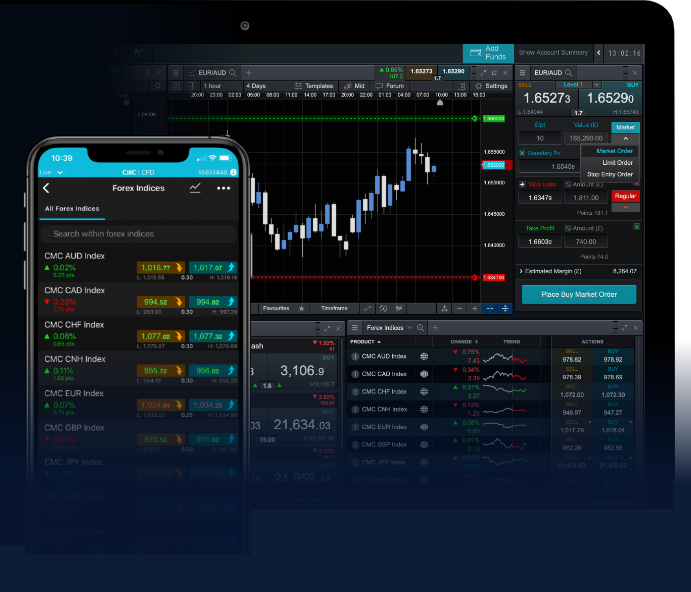
There are various participants in the Forex market, ranging from central banks and financial institutions to individual retail traders. Here are the major participants:
- Central Banks: They control monetary policies and influence currency values by adjusting interest rates.
- Commercial Banks: They facilitate the majority of currency transactions and provide liquidity to the market.
- Investment Firms: These firms trade on behalf of clients or for proprietary accounts.
- Retail Traders: Individual traders who buy and sell currencies through online brokers.
How Do Forex Brokers Work?
Forex brokers serve as intermediaries between traders and the Forex market. They provide trading platforms, access to market data, and facilitate transactions. When selecting a Forex broker, it’s important to consider factors such as regulatory compliance, trading costs, user interface, and customer support. Many online platforms also offer demo accounts to practice trading without risking real money.
Understanding Pips and Leverage
A crucial concept in Forex trading is the “pip,” which stands for “percentage in point.” A pip is the smallest price move that a given exchange rate can make based on market convention. For most currency pairs, it is equivalent to a change of 0.0001.
Leverage in Forex trading is another fundamental aspect. It allows traders to control a larger position with a smaller amount of capital. For example, a leverage ratio of 100:1 means that for every $1 of capital, a trader can control up to $100 in currency. While leverage can magnify profits, it also increases the risk of losses.
Common Forex Trading Strategies
Successful Forex trading involves various strategies, each catering to different trading styles and risk appetites. Here are some common strategies:
- Scalping: This strategy involves making multiple trades throughout the day to capture small price movements.
- Day Trading: Day traders buy and sell currencies within a single trading day, closing all positions before the market closes.
- Swing Trading: Swing traders hold positions for several days or weeks to capture larger price movements.
- Position Trading: This long-term strategy focuses on fundamental analysis and holds trades for months or even years.

The Importance of Risk Management
Effective risk management is essential for long-term success in Forex trading. Here are some risk management techniques:
- Setting Stop-Loss Orders: These orders automatically close a position at a predetermined price to limit potential losses.
- Position Sizing: This involves determining the appropriate amount to invest in each trade based on risk tolerance.
- Diversification: Avoid putting all your capital into a single trade or currency pair to reduce risk exposure.
Analyzing the Market
Market analysis is critical in making informed trading decisions. There are two primary types of analysis:
- Fundamental Analysis: This method involves evaluating economic indicators, geopolitical events, and news releases that can impact currency values.
- Technical Analysis: Traders use charts and technical indicators to identify patterns and trends in price movements.
Emotional Discipline in Trading
Successful Forex trading is not just about strategies; it also requires emotional discipline. Market fluctuations can lead to fear and greed, which may cloud judgment. Developing a trading plan, sticking to it, and keeping emotions in check can significantly enhance your trading effectiveness.
Conclusion
Currency trading in Forex offers exciting opportunities for profit, but it also comes with risks. Understanding the fundamental principles, selecting a reputable broker, and employing effective strategies and risk management techniques are vital for success. By educating yourself and practicing discipline, you can navigate the Forex markets effectively. Whether you are trading for full-time income or as a hobby, mastering the art of Forex trading can be a rewarding journey.